History of Microgreens: From Gourmet Garnish to Everyday Superfood
Discover the surprising history of microgreens - from 1980s California fine dining garnish to today's everyday superfood. Learn how these flavorful seedlings evolved from chef luxury to accessible home nutrition.

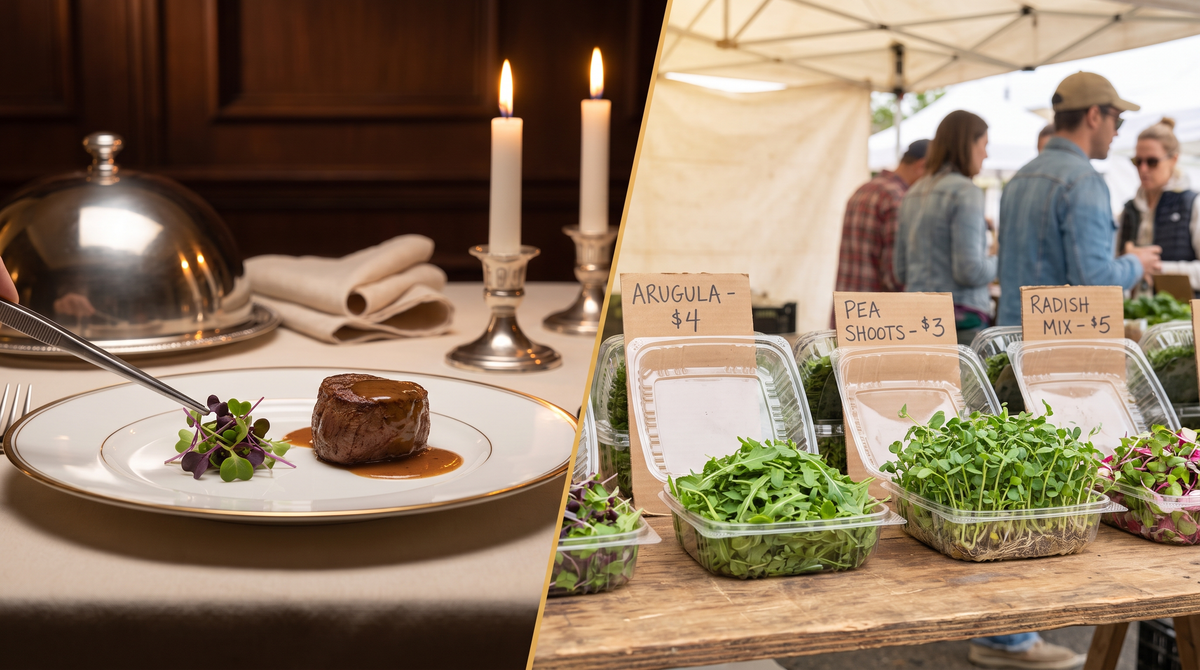
You might think microgreens are some new hipster trend - something invented for Instagram food photos and overpriced toast. But the truth is, those tiny seedlings with the intense flavor punch have been around since before most of us had cell phones.
From Restaurant Garnish to Specialty Crop
Microgreens first showed up on California restaurant plates back in the 1980s. Chefs at high-end spots in San Francisco started garnishing dishes with these miniature versions of arugula, basil, and radish not because they looked pretty (though they did), but because they delivered a wallop of flavor that mature greens simply couldn't match. Michael Ableman, a pioneering chef at the Fairmont Hotel, was among the first to popularize what were then called "micro greens" or "vegetable confetti." Diners paid premium prices for plates accented with what amounted to baby plants harvested just days after germination.
Back then, you'd never find microgreens at a grocery store. They were strictly restaurant territory - grown by specialty suppliers, delivered to back doors before service, and handled like the delicate, perishable luxury they were. Home cooks didn't ask for them. Farmers didn't grow them for markets. They existed in the narrow space between fine dining kitchen and specialty supplier cooler.
How Microgreens Moved Beyond Restaurant Kitchens
So what changed? Why are Shirley and I now growing trays of sunflower shoots and radish microgreens for our neighbors in Marion County instead of shipping them exclusively to restaurant accounts?
Two things happened, really. First, science caught up with what chefs already knew. A 2012 University of Maryland study (and follow-up research) confirmed what the culinary world had sensed for decades - microgreens pack significantly higher nutrient density than their mature counterparts. We're talking 4 to 40 times the vitamins and antioxidants, depending on the variety. The food media noticed. Health writers noticed. Suddenly these "garnishes" had nutritional credibility beyond mere aesthetics.
Second, the local food movement and urban agriculture wave of the 2010s turned growing microgreens into something accessible. Unlike full-scale farming, microgreens don't require acreage. They don't demand months of growing season. You can raise a crop in 7-14 days on a spare table under simple lights. Food bloggers started sharing windowsill setups. YouTube channels demonstrated the basics. The knowledge escaped restaurant kitchens and entered home kitchens.
The Home-Growing Shift
Then came 2020, and everything accelerated. When restaurants closed and supply chains wobbled, people became suddenly interested in growing their own food - any food, even tiny food on trays in spare bedrooms. Microgreens were perfect pandemic projects: fast, compact, achievable, nutritious. Google searches for "how to grow microgreens" spiked. Seed suppliers sold out. A generation of home growers discovered what California chefs had known since the Reagan administration.
Where Microgreens Fit Today
Now microgreens occupy this interesting middle space - no longer elite restaurant curiosities, not yet fully mainstream produce staples. You find them at farmers markets and in CSA boxes. Grocery stores carry them in the herb section, though often past their prime and overpackaged. Foodservice still uses them, but they're no longer reserved for white-tablecloth establishments.
From Restaurant Plates to Our Ocala Greenhouse
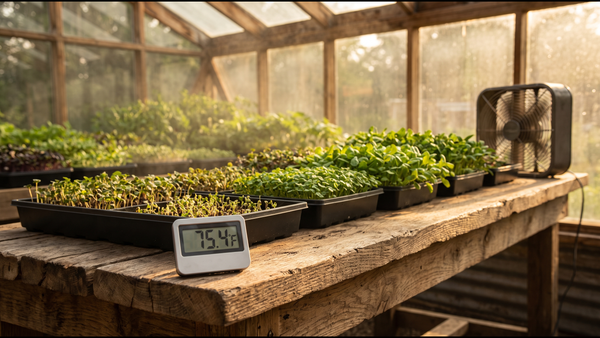
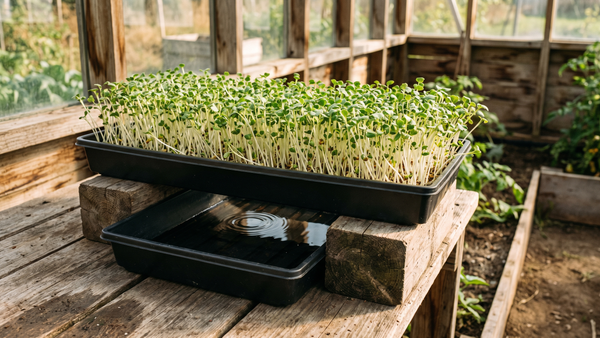
At Wilshires, we grow them the same way the early pioneers did - in trays, under controlled conditions, harvested at the cotyledon stage when flavor and nutrition peak. But instead of delivering to restaurant back doors, Shirley drops off fresh harvests to neighbors. Instead of garnishing $40 entrees, these microgreens land in everyday salads, sandwiches, and smoothies.
The irony isn't lost on us. Something invented for culinary prestige has become democratic food. Something once priced as luxury is now accessible nutrition. The same radish microgreens that dressed plates at San Francisco's finest hotels in 1992 now grow in our greenhouse in Marion County, Florida - harvested Tuesday morning, delivered Tuesday afternoon, eaten before the week is out.
History doesn't repeat, but it does democratize.
Want fresh-cut microgreens this week? We harvest to order in Ocala and have them ready for pickup. See what's available and reserve your tray.