What Exactly Are Microgreens, And Why They Matter
Discover what microgreens are, their nutritional benefits, and how they differ from sprouts. Fresh from Wilshires Organics in Ocala, FL.

A Tiny Plant With a Big Story
You've probably seen them before, those little trays of bright green, purple, and red shoots that look too small to be salad and too fancy to be weeds.
Those are microgreens, and they're one of nature's most powerful (and surprisingly simple) foods.
At Wilshires Organics, we grow them right here in Ocala, harvesting them fresh every week. But if you've ever wondered what microgreens actually are, and why everyone from high-end chefs to health-conscious home cooks loves them, this one's for you.
What Are Microgreens?
In simple terms, microgreens are young vegetable or herb seedlings. They are harvested right after their first true leaves appear, making them older than a sprout but younger than a "baby green."
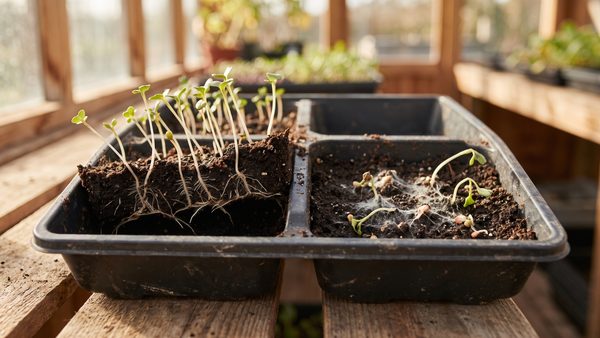
But let's get a little more specific. When a seed first sprouts, it unfurls its "seed leaves," known as cotyledons. These provide the initial energy for the plant. Microgreens are harvested just as their first "true leaves" emerge. These true leaves are the plant's first real leaves, signaling it is establishing itself.
This "in-between" stage, as researchers at the University of Florida IFAS Extension note, is a unique point where flavor, texture, and nutrition are incredibly concentrated. (Source: University of Florida IFAS Extension)
They're the teenagers of the plant world - old enough to have their own distinct character, but still bursting with concentrated energy.
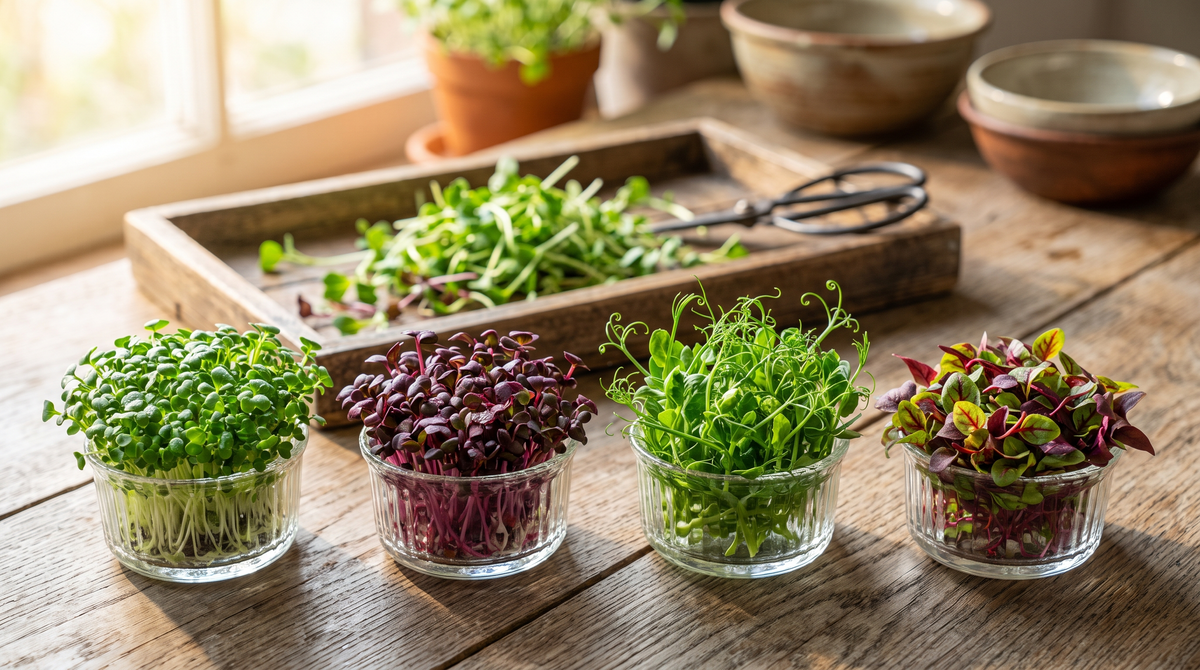
We grow the classics, but the microgreen world is huge. Typical examples include:
- Sunflower: Crunchy, nutty, and wonderfully substantial.
- Radish: A peppery kick with a beautiful purple or red stem.
- Pea: Sweet, tender, and a favorite for kids (and adults!).
- Broccoli: Mild, clean taste with a major nutrition punch.
- Amaranth: A stunning, deep magenta color and earthy taste.
- Mustard: A spicy, wasabi-like kick that's amazing on sandwiches.
The Science of Small: Why They Matter
Don't let their size fool you. This is where microgreens truly shine.
That "up to 40 times" nutrition figure you may have heard isn't an exaggeration; it comes from landmark research. A 2012 study by the University of Maryland and the USDA analyzed 25 different varieties of microgreens and found that, gram for gram, their nutrient levels were incredibly concentrated compared to their mature counterparts.
What does that mean for your plate?
- Vitamins: The study found that red cabbage microgreens had 40 times more Vitamin E and 6 times more Vitamin C than mature red cabbage.
- Beta-Carotene: Cilantro microgreens showed three times the beta-carotene (a precursor to Vitamin A) as mature cilantro.
- Antioxidants: This nutritional density extends to Vitamin K, lutein, and various powerful antioxidants like polyphenols. These are the compounds that help our bodies fight cellular stress. (Source: University of Maryland AGNR)
Beyond the stellar nutrition, they:
- Add bold flavor to everyday meals, often more intense than the full-grown plant.
- Bring vibrant color and freshness to your plate.
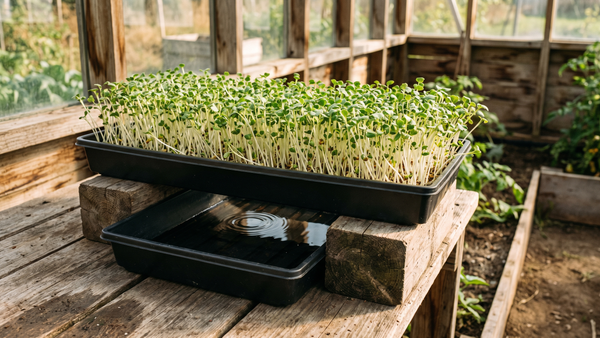
- Grow fast and sustainably, usually ready in just 7-14 days.
And when they're grown locally (like ours in Ocala), they skip the long-haul, cross-country shipping. This means they arrive on your table fresh, clean, and often still living, with their full nutritional profile intact.
Microgreens vs. Sprouts vs. Baby Greens
This is the most common question we get! The difference isn't just time; it's about how they're grown, which impacts flavor, use, and - most importantly - food safety.
| Type | How They're Grown | Harvest Time | Part Eaten | Safety Note |
|---|---|---|---|---|
| Sprouts | In water or jars, no soil, often in the dark. | 2-5 days | Entire plant: seed, root, stem, & new leaves. | High risk. Warm, wet conditions are ideal for bacteria like E. coli and Salmonella. |
| Microgreens | In soil or growing mats, under light with good airflow. | 7-14 days | Stem and leaves, cut above the soil line. | Low risk. Grown in open air and cut, avoiding contact with soil/seed bacteria. |
| Baby Greens | In soil, full sunlight (field or greenhouse). | 20-30 days | Leaves and small stems (e.g., baby spinach). | Low risk (standard farm-to-table). |
The key difference is food safety. As the University of Minnesota Extension explains, sprouts are grown in humid, warm conditions without light, which is a perfect breeding ground for dangerous bacteria that may be present on the seed. (Source: University of Minnesota Extension)
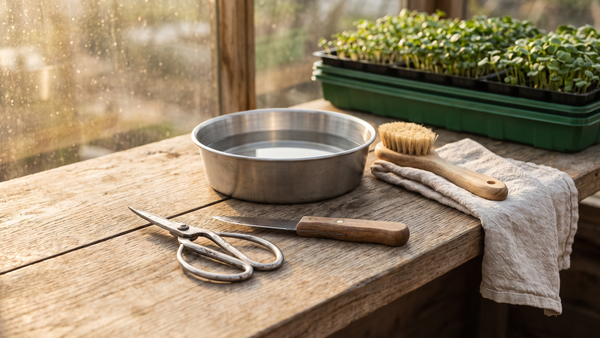
Microgreens, on the other hand, are grown in soil with light and airflow, just like any other plant. We harvest them by cutting the stem above the soil line. This simple step, combined with a clean growing environment, dramatically reduces the risk of foodborne illness.
Why They're So Popular
Microgreens started as a garnish in high-end restaurants, but these days you'll find them everywhere from health food stores to local farmers markets.
Here's why:
- Flavor: They are tiny but intense. That sharp "kick" from a radish microgreen comes from a high concentration of the same flavor compounds found in the mature root, but without all the watery bulk.
- Nutrition: They are a true "functional food" - a term for foods that offer health benefits beyond basic nutrition. They're nature's multivitamin in whole-plant form.
- Speed & Sustainability: They are ready to harvest in under two weeks.
- Local Freshness: This is why they are perfect for our local Ocala food system. They have low "food miles," require less water per nutrient-packed bite, and thrive year-round in our Florida greenhouses. They are the definition of an efficient, fresh, and community-grown crop.
How to Choose and Store Microgreens
When buying microgreens, look for:
- Bright, vibrant color and a crisp, firm texture.
- No slime, yellowing, or unpleasant, musty odors.
- Cool packaging (or better yet, buy them as living trays!).
Storage is key. Keep them refrigerated and dry. A paper towel in the container helps absorb excess humidity.
But why? Microgreens have a high respiration rate after harvest. This means they "breathe" out moisture, which can lead to rapid decay if trapped in a container. According to the University of Nevada, Reno Extension, the goal is to keep them cool (ideally between 32-41°F) and dry to slow this process down. (Source: University of Nevada, Reno Extension)
Crucial Tip: Do not wash your microgreens until right before you eat them. Washing adds moisture, which is the enemy in storage and will make them spoil much faster.
From Our Greenhouse to Your Table
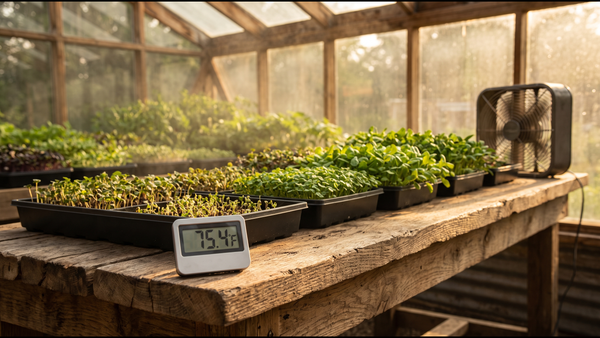
At Wilshires Organics, we harvest fresh microgreens to order. There are no warehouses, no middlemen. Just seeds, soil, sunshine, and care.
Each tray is grown with clean water, careful handling, and lots of love.
If you've never tried microgreens before, start with our Broccoli or Kale microgreens. They are mild, crisp, and easy to fall in love with. And if you're in the mood for something spicy, check our Wasabi or Radish microgreens.
Try them on:
- Eggs (scrambled, fried, or omelets)
- Sandwiches and wraps
- Soups (as a fresh, final topping)
- Tacos and pizza
- Blended into a pesto or smoothie for a hidden nutrient boost
- Gently wilted into hot pasta right before serving
- ...or eaten straight out of the box (yes, really).
Final Thoughts from Wilshires Organics
We believe good things come from the ground, with patience, faith, and honest work. God's plan of abundance shows up right here in our Ocala greenhouse, one tiny green leaf at a time.
Thanks for growing with us.
Want fresh-cut microgreens this week? We harvest to order in Ocala and have them ready for pickup. See what's available and reserve your tray.