Why Sunflower Shoots Keep Selling Out First
Sunflower shoots are a customer favorite for their nutty crunch and mild flavor. Research shows high potassium and calcium, plus uniquely low nitrates among tested microgreens.

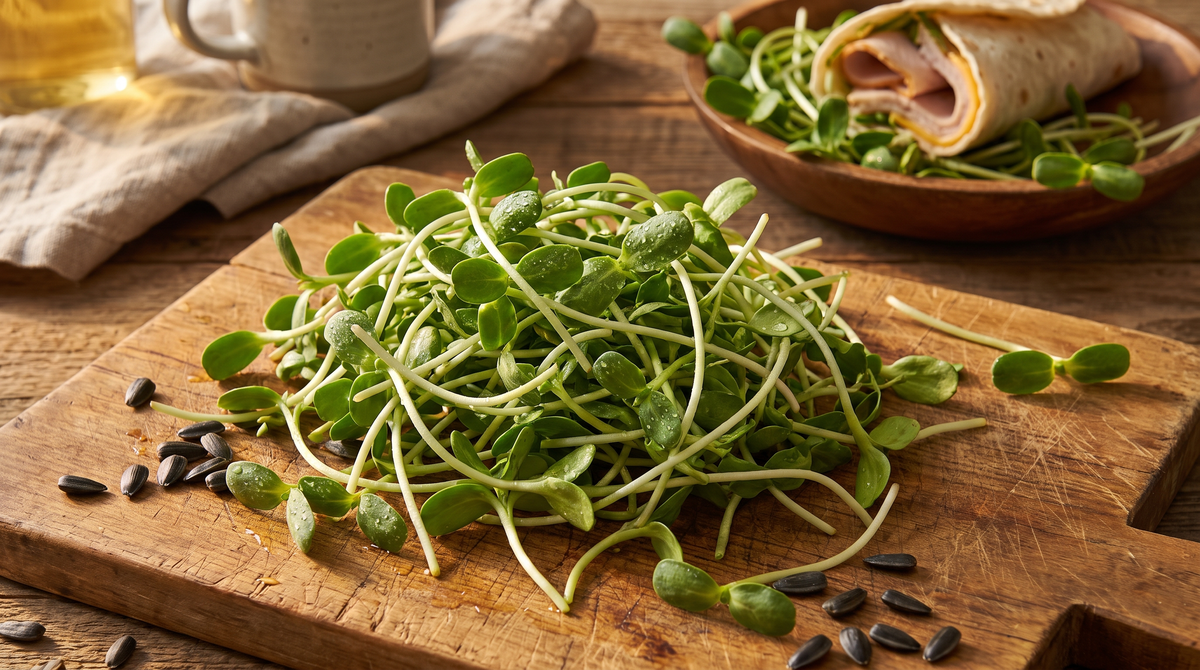
Sunflower shoots are the variety we run out of fastest. Every week, they're the first tray empty. We've asked customers why, and the answer is almost always the same: they taste familiar. Nutty, mild, a little crunch. Nothing aggressive. Nothing you have to "acquire."
That ease shows up in the data too. A 2023 USDA study at Penn State tested 17 microgreen species for nitrate accumulation. Sixteen of them piled up high or very high nitrates. Only sunflower stayed low. That isn't a small distinction. Nitrates are a real concern in leafy greens, and sunflower sidesteps it entirely while still delivering solid mineral content.
What the Numbers Actually Say
Sunflower shoots are a good source of potassium - over 300 mg per 100 g fresh weight in the Penn State analysis. They also carry meaningful zinc and copper. A 2025 six-species comparison from Scientific Reports found sunflower had the highest calcium of the group at 148.63 mg per 100 g. Iron content across those same six species ranged from 524 to 2,610 micrograms per 100 g; sunflower falls somewhere in that band.
Beyond the minerals, there's lipid work worth noting. Researchers have isolated alpha-linolenic acid (ALA, an omega-3 essential fatty acid) from sunflower microgreens at roughly 50 micromoles per gram dry weight in the triacylglycerol fraction. They've also mapped phytosterols - beta-sitosterol, campesterol, stigmasterol - and phospholipid classes including phosphatidylcholine and phosphatidylethanolamine. These aren't headline nutrients most people track, but they point to a profile that goes deeper than the usual vitamin-and-mineral list.
Flavor and Texture: The Practical Case
The "nutty crunch" description comes from grower experience, not a lab. We've found it holds up. Sunflower shoots don't wilt into nothing on a sandwich. They give you something to chew. That makes them an easy swap for lettuce in wraps, a topping that doesn't disappear into soup, or a salad base with actual body.
New customers often start here. The flavor isn't polarizing. There's no peppery bite like radish, no bitterness like some brassicas. It's just mild, slightly nutty, and texturally present.
Growing Basics at Wilshires
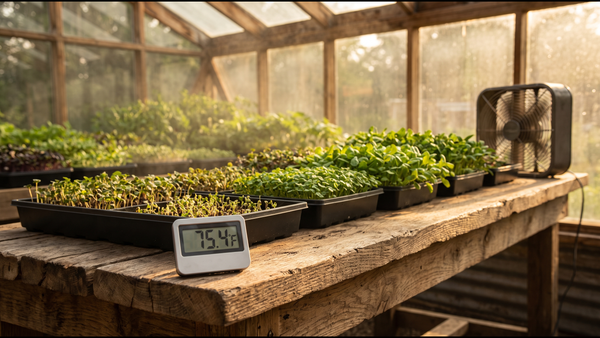
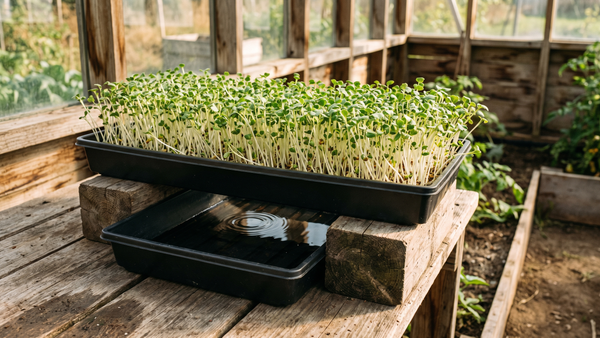
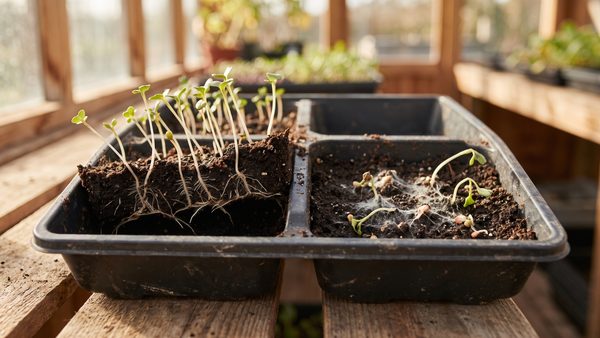
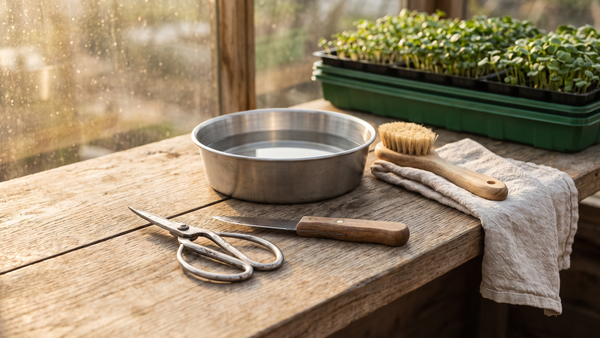
We grow black oil sunflower seed in about an inch of potting mix, coco coir, or hemp. Seeds get rinsed and soaked 8 to 24 hours, then sown heavy. We blackout for 2 to 4 days with weight on top, keep the tray around 72 to 75 degrees, and let humidity stay high. Once the cover comes off, they go under bright light with bottom watering. Harvest hits at 8 to 12 days, cut above the soil line, rinsed gently, dried, and into the bag.
That window is fast enough to keep up with weekly demand and forgiving enough that a day or two of variation doesn't ruin the tray.
Final Thoughts from Wilshires Organics
Sunflower shoots don't need a hard sell. They taste good, they're easy to use, and the research backs up a mineral and lipid profile that's deeper than most people expect. The low-nitrate finding is the standout - it's not a claim we make loudly, but it's part of why we feel confident putting these in front of families every week. If you're trying microgreens for the first time, this is the tray we'd hand you first.
Want fresh-cut microgreens this week? We harvest to order in Ocala and have them ready for pickup. See what's available and reserve your tray.